Author: Swastik marbles

  • Yellow Jaisalmer Stone

    Yellow Jaisalmer Stone

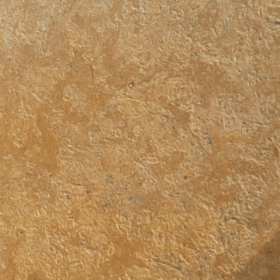
    Yellow Jaisalmer Stone is a type of sandstone that is found in the Jaisalmer district of Rajasthan, India. It is known for its beautiful golden-yellow color and unique patterns that are formed due to the presence of iron oxide in the stone. The stone has been used for centuries in construction and architectural purposes, and is a popular choice for flooring, wall cladding, and even as a decorative element in gardens and landscaping.

    Jaisalmer Stone is a durable and weather-resistant stone that can withstand extreme temperatures, making it an ideal choice for hot and arid regions like Rajasthan. It is also a low-maintenance stone that is easy to clean and maintain, making it a popular choice for both residential and commercial projects.

    The stone has a distinctive look that is often described as warm and inviting, and it can add a touch of elegance and sophistication to any space. It is a versatile stone that can be used in a variety of design styles, from traditional to contemporary, and is often paired with other natural materials like wood and metal to create a cohesive and harmonious look.

    Different types of Jaisalmer Yellow Stone

    There are several different types of Jaisalmer Stone that are available, each with its own unique characteristics and features. Some of the most common types of Jaisalmer yellow Stone include:

    1. Polished Yellow Jaisalmer Stone: This type of stone is polished to a smooth and shiny finish, which enhances its natural beauty and color. It is often used for flooring, wall cladding, and decorative elements in residential and commercial projects.
    2. Sandblasted Yellow Jaisalmer Stone: This type of stone is sandblasted to create a rough and textured surface, which gives it a rustic and natural look. It is often used for outdoor applications like garden paths, driveways, and pool surrounds.
    3. Honed Yellow Jaisalmer Stone: This type of stone is honed to a matte finish, which gives it a subtle and elegant look. It is often used for interior flooring and wall cladding, as well as for decorative elements like fireplaces and countertops.
    4. Bush-hammered Yellow Jaisalmer Stone: This type of stone is bush-hammered to create a surface with small indentations and texture, which gives it a unique and distinctive look. It is often used for outdoor applications like paving and wall cladding, as well as for decorative elements like columns and pillars.
    5. Tumbled Yellow Jaisalmer Stone: This type of stone is tumbled to create a smooth and rounded surface, which gives it a weathered and antique look. It is often used for interior and exterior flooring, wall cladding, and decorative elements like borders and mosaics.

    Uses of Jaisalmer Yellow Stone

    Jaisalmer Stone is a versatile material that can be used in a variety of applications due to its durability, beauty, and natural characteristics. Some of the most common uses of Jaisalmer Stone include:

    1. Flooring: Yellow Jaisalmer Stone is often used for flooring in both residential and commercial properties due to its durability and elegant appearance.
    2. Wall cladding: Yellow Jaisalmer Stone can be used to cover walls, creating a rustic or elegant look depending on the finish and design.
    3. Countertops: Yellow Jaisalmer Stone can be used for countertops in kitchens, bathrooms, and other areas due to its durability and resistance to heat and stains.
    4. Decorative elements: Yellow Jaisalmer Stone can be used for decorative elements such as columns, pillars, fireplaces, fountains, and sculptures.
    5. Paving: Yellow Jaisalmer Stone can be used for paving driveways, pathways, and patios due to its durability and resistance to weather and wear.
    6. Landscaping: Yellow Jaisalmer Stone can be used in landscaping as decorative rocks or boulders, or for creating retaining walls and steps.
    7. Exterior façades: Yellow Jaisalmer Stone can be used as an exterior façade for buildings, creating a unique and elegant look.
    8. Pool surrounds: Yellow Jaisalmer Stone can be used to create a natural and elegant look around swimming pools.

    Overall, the uses of Jaisalmer Stone are vast and varied, making it a popular choice for a wide range of architectural and landscaping projects.

    Prices of Jaisalmer Stone in India

    The prices of Yellow Jaisalmer Stone in India can vary depending on a number of factors, such as the quality, size, finish, and location of the stone. Generally, the prices can range from Rs. 30 to Rs. 150 per square foot, or more, depending on the above-mentioned factors.

    For example, a polished Jaisalmer Stone with a thickness of 20mm can cost around Rs. 75 to Rs. 100 per square foot, while a sandblasted or bush-hammered Jaisalmer Stone with the same thickness can cost around Rs. 50 to Rs. 80 per square foot.

    The prices can also vary depending on the location where the stone is purchased, as well as the quantity ordered. Larger orders may be eligible for bulk discounts, which can bring the price down.

    It’s important to note that these are just rough estimates and the actual prices may vary depending on the specific requirements of the project and the supplier. It’s always a good idea to obtain quotes from multiple suppliers to ensure that you are getting a fair price for the Jaisalmer Stone.

    Can I use Jaisalmer Stone for Commercial purposes?

    Yes, Yellow Jaisalmer Stone can be used for commercial purposes due to its durability, strength, and aesthetic appeal. It is a popular choice for a wide range of commercial applications, such as flooring, wall cladding, countertops, and decorative elements.

    Many commercial establishments, such as hotels, restaurants, and shopping malls, use Jaisalmer Stone for its warm and inviting look, which creates a unique and elegant ambiance. It is also a popular choice for office buildings, retail spaces, and public spaces like parks and museums.

    Yellow Jaisalmer Stone is a versatile material that can be used for both interior and exterior applications. It is resistant to weather and wear, making it ideal for high-traffic areas. It is also easy to clean and maintain, which is important in commercial settings where cleanliness and hygiene are important factors.

    Overall, Jaisalmer Stone is a great choice for commercial purposes due to its durability, beauty, and versatility, and it can add value and sophistication to any commercial space

    Which is a better option for flooring? Jaisalmer Stone or Green Kota stone

    Both Jaisalmer Stone and Green Kota Stone are popular choices for flooring in India, and both have their own unique characteristics and benefits.

    Jaisalmer Stone is a beautiful and durable natural stone that has a warm yellow color, which can create a cozy and inviting look in any room. It is known for its strength and durability, making it ideal for high-traffic areas. It can be polished to a smooth finish or left with a natural texture, depending on the desired look. One drawback of Jaisalmer Stone is that it is relatively expensive compared to other types of natural stones.

    Green Kota Stone, on the other hand, is a cheaper alternative to Jaisalmer Stone. It has a natural greenish-grey color that can give a modern and sleek look to any room. It is also known for its durability and strength, making it ideal for high-traffic areas. Green Kota Stone can be polished to a smooth finish or left with a natural texture.

    Ultimately, the choice between Yellow Jaisalmer Stone and Green Kota Stone depends on personal preference, budget, and the specific requirements of the project. Both stones are great choices for flooring and can add value and beauty to any space. It’s recommended to consult with a professional stone supplier or architect to determine the best option for your specific needs.

  • Quartz Stone

    Quartz Stone

    Quartz stone is a type of engineered stone made from natural quartz crystals and a resin binder. It is also known as quartz composite, engineered quartz, or simply quartz. Quartz is a popular choice for kitchen and bathroom countertops, as well as for flooring, backsplashes, and other decorative applications.

    One of the main advantages of quartz is its durability and resistance to scratches, stains, and heat. It is also non-porous, which means that it does not absorb liquids and is easy to clean. Additionally, quartz comes in a wide range of colors and patterns, making it a versatile material for interior design.

    However, it is worth noting that quartz stone can be relatively expensive compared to other countertop materials, and it may not be suitable for outdoor applications or areas with high exposure to UV light. It is important to follow the manufacturer’s guidelines for cleaning and maintenance to ensure the longevity of the material.

    quartz stone
    pixabay

    Types of quartz

    There are several types of quartz stone, each with its own unique characteristics and features. Here are some of the most common types:

    1. Pure quartz: Also known as clear or rock crystal quartz, this type of quartz is colorless and transparent. It is often used in jewelry and decorative objects.
    2. Rose quartz: This type of quartz is pink in color and is often used in jewelry and decorative objects.
    3. Smoky quartz: Smoky quartz is brown or black in color and has a smoky appearance. It is often used in jewelry and decorative objects.
    4. Amethyst: Amethyst is a purple variety of quartz and is often used in jewelry and decorative objects.
    5. Citrine: Citrine is a yellow or orange variety of quartz and is often used in jewelry and decorative objects.
    6. Tiger’s eye: Tiger’s eye is a type of quartz that has a distinctive golden-brown color and a silky luster. It is often used in jewelry and decorative objects.
    7. Engineered quartz: Engineered quartz is a man-made material made by combining natural quartz crystals with a resin binder. It is available in a wide range of colors and patterns and is often used for countertops and other decorative applications.

    Price of quartz stone

    The price of quartz can vary widely depending on several factors such as the quality of the stone, the color, the size, and the manufacturer. Generally, engineered quartz, which is made by combining natural quartz crystals with a resin binder, tends to be more expensive than natural quartz.

    On average, the price of quartz stone can range from Rs 900 to Rs 1500 per square foot installed. However, prices can be higher or lower depending on the factors mentioned above. Additionally, prices may also vary depending on the location and availability of the material.

    It’s important to note that installation costs can also add to the overall cost of quartz. Factors such as the complexity of the installation, the size and shape of the countertop or other applications, and the location of the installation can all affect the installation cost. It’s always a good idea to get multiple quotes from reputable installers before making a decision.

    Differences between Quartz and Marble

    Quartz and marble are two popular materials used in construction and interior design, but there are some important differences between them:

    1. Composition: Quartz stone is an engineered material made from natural quartz crystals and a resin binder. Marble is a natural stone composed primarily of calcium carbonate.
    2. Durability: Quartz stone is highly durable and resistant to scratches, stains, and heat. Marble, on the other hand, is relatively soft and porous, which makes it more prone to scratches, stains, and damage.
    3. Maintenance: Quartz stone is easy to clean and maintain, as it is non-porous and does not require sealing. Marble, however, requires regular sealing to protect it from stains and damage.
    4. Appearance: Quartz stone is available in a wide range of colors and patterns, and its appearance is consistent throughout the material. Marble, on the other hand, is available in a range of colors and patterns, but its appearance can vary significantly due to the natural variations in the stone.
    5. Cost: The cost of quartz stone is generally higher than marble due to its manufacturing process and durability. However, the cost can vary widely depending on the quality of the material and the manufacturer.

    Overall, quartz is a more durable and low-maintenance option compared to marble, but it may not have the same natural beauty and variation in appearance that marble offers.

    quartz stone
    pixabay

    Uses of Quartz

    Quartz stone, also known as engineered quartz, is a man-made material that is made by combining natural quartz crystals with a resin binder. Here are some of the common uses of quartz :

    1. Kitchen and bathroom countertops: Quartz stone is a popular choice for kitchen and bathroom countertops due to its durability, resistance to scratches and stains, and low maintenance requirements.
    2. Flooring: Quartz stone is also used for flooring due to its durability, resistance to wear and tear, and wide range of color and pattern options.
    3. Backsplashes: Quartz stone is often used for backsplashes in kitchens and bathrooms due to its resistance to moisture and easy-to-clean surface.
    4. Shower walls and tub surrounds: Quartz stone is used for shower walls and tub surrounds due to its resistance to moisture and durability.
    5. Fireplace surrounds: Quartz stone is used for fireplace surrounds due to its heat resistance and low maintenance requirements.
    6. Commercial and hospitality applications: Quartz stone is also used in commercial and hospitality applications such as hotels, restaurants, and offices due to its durability, low maintenance requirements, and wide range of color and pattern options.

    Overall, quartz is a versatile material with many uses in both residential and commercial settings.

  • Kadappa Stone

    Kadappa Stone

    [ux_products style=”bounce” type=”row” cat=”222″]

    Kadappa Stone

    One of the significant districts in the Rayalaseema Region is Kadapa, formerly known as Cuddapah and also known as the “Heart of Rayalaseema” and lately renamed as the YSR district. Many people are unaware that the Telugu term “Gadapa,” which means threshold or gate, is where the city’s name comes from.

    When I mention Kadapa as my hometown in response to a question about where I’m from, everyone maintains a somewhat frightened expression and makes jokes about whether I have any bombs in my handbag. Of course, bombs are Kadapa’s claim to fame.

    Bombs were once made in Kadapa, but not any longer. I was born and raised in this location. I’ve never even seen a bomb. I’ve never even created one. So to represent Kadapa negatively is plainly wrong. In the distant past, Kadapa, like many other Rayalaseema districts, was home to factions. Today, it’s extremely rare and unheard of. But for some reason, the filmmakers continue to make an effort to portray Kadapa as a haven for bomb fabricators. Kadapa has advanced past that, I assure you. Yet bombs are not one of its current claims to fame.

    One of the most well-known black limestones is called Cuddapah Black Limestone. Both interiors and exteriors typically employ it. This black limestone’s main draw is that it can withstand extremely high temperatures and is quite hard. Cuddapah stone is quarried in Andhra Pradesh’s Betamcharla District.


    How is this stone processed?

    Raw black limestone rocks are sawed or machine-cut into uniform tiles, slabs, bricks, walling stones, curb stones and cobbles of various thicknesses and dimensions as per the application.

    Cuddapah is available in the market in natural, honed, brushed and polished surface finishes. Even though these stones do not absorb water, Cuddapah tiles are layered with a sealant to make them non-slippery and to retard staining. They can be polished again and again during their lifetime to maintain a fresh look.

    Owing to its hardy and long-lasting nature, this beautiful black stone can be employed to accentuate home interiors as well as exteriors.

    • Although it is frequently used for flooring, this multifaceted stone can also be used for skirting, outside paving, coping, kitchen shelves, cabinet and closet shelves, and more.
    • As it is a common material, it is easily accessible from almost all stone merchants in the marketplace. Similar to that, it is not difficult to locate skilled labour to install it. In the end, installation and acquisition become simple and affordable. Also, adopting a natural material rather than a synthetic one has a green benefit.
    • Cuddapah is an extremely compact, impermeable, and long-lasting stone that requires very little upkeep. The stone’s dark colour lends an intense appearance to interiors, and its tactility suits the majority of interior design types.
    • The stone’s strong resistance to wear and tear, heat and moisture makes it excellent for heavy-traffic areas, wet spaces, and exteriors, too.

    Lime black stone is the same as kadapa black stone. These stones may be found at Tadipatri, Owk, Banaganapalli, and Bethamcherla. but primarily in Bethamcherla, which is close to Kurnool (Andhrapradesh old capital).


    The major application for these stones is flooring. export to different Indian states. because it is relatively inexpensive. It is unpolished stone. The thickness is between 15mm and 150mm. not just in India but also to the United Kingdom, Canada, Australia, and Gulf nations. Every day, between 150 and 250 trucks export to both domestic and foreign markets.

  • Jaisalmer stone

    Jaisalmer stone

    Jaisalmer stone can be found in Rajasthan’s Jaisalmer district. Etta Gold, Jaisalmer Yellow, Paradise, Mulsagar, and Teakwood are some of the variations of the stone.

    We are a top supplier of Jaisalmer yellow limestone, Jaisalmer yellow sandstone, and stone slabs. The cost of a distributor of yellow stones varies according to size, thickness, and polishing. In Jaisalmer, Rajasthan, yellow marble was employed as a stone supplier, flooring, and wall covering. Kitchen tops, island tops, vanity tops, countertops, tabletop surfaces, etc. are all made out of these limestone slabs. The stone is nevertheless employed for many kinds of exterior and interior decoration.

    The yellow limestone from Jaisalmer is renowned for its toughness, sturdiness, elegance, performance, and attractiveness. The marriage of imaginative architecture and the stone legacy left by nature… Granite, Sandstone, and Jaisalmer Yellow. Blue Jaisalmer. Due to its acid and thermal resistance, Jaisalmer yellow sandstone is employed particularly for exterior cladding in seashore constructions. Yellow limestone is used to construct the Jaisalmer yellow stone houses in Rajasthan.

    jaisalmer marble
    jaisalmer marble

    Jaisalmer stone price in Bangalore

    Jaisalmer stone texture in the shape of natural blocks processed slabs & tiles and also in beautiful border linings. … Ans:-Basically this is a natural stone so various marble flooring patterns will be available. Jaisalmer stone price Bangalore 98/-sq.ft, We will send you complete details regarding the price list yellow marble is pale yellow colored sandstone and is quite popular in European countries. Its properties like hardness, durability, and ability to withstand rough weather conditions make it suitable for indoor and outdoor applications. Jaisalmer texture in wall cladding

    Thickness- 18 mm (regular ) Jaisalmer Yellow is pale yellow-colored sandstone and is quite popular in European countries. Its properties like hardness, durability, and ability to withstand rough weather conditions make it suitable for indoor and outdoor applications. we are top yellow stone suppliers in Rajasthan,

    jaisalmer yellow marble
    jaisalmer yellow marble

    Features

    • Cut to size in Inches
    • Size- 12″x12″,30″x12″,12″x18″,12″x24″,25″x19″,25″x25″,33″x12″,42″x12″
    • Slab size — 3ft. Width and 9ft. Length.
    • Finishing……1-Both side gang saw polished,2- one side leather finished other side  rough
    • Jaisalmer yellow sandstone prices start from 40/-sq.ft. up to 65/-sq.ft.
    • Jaisalmer marble uses in wall cladding and interior flooring
    • Origin- Jaisalmer (Rajasthan)
    • Minimum quantity order-6000sq.ft.
    • Slab size- maximum width- 4ft. Maximum length-8ft.
    • Form- unpolished, full-polished, sandblast, hammered finished
    • Gst – 18%
    • Loading- 200/-tone
    • Royalty- 220/-tone
    • Per sq.ft.weight of Jaisalmer marble- 5kg/-sq.ft.

    What is the Jaisalmer Marble/ stone?

    Jaisalmer Marbles is yellow limestone, and it is available in slab size just like marble & granite slabs, the natural surface is not available only sawn cut is available, it has different types of quality – Etta gold, floury gold, teakwood,mulsagar,it is also known yellow limestone.

    Jaisalmer stone uses

    This stone is used in interior flooring, wall cladding & Front elevation of the house, making the wall of the front house, kitchen platform, making jali, jharokha, murti, and any other article which are used in garden and water fun garden, Jaisalmer Marble can be used in flooring with other natural stone-like Kota stone, marble, sandstone & granite.

    jaisalmer marble flooring
    jaisalmer marble flooring

    Jaisalmer Marble size

    It is available in big slabs and small slabs. Cut-to-size is not available in big quantities, the regular thickness is 20mm is running in the market, slab size is width -of 4ft. maximum and length in maximum – 8ft.

    Jaisalmer yellow marble

    Jaisalmer yellow marble is most selling marble in the Jaisalmer stone market it is also known mulsagar, khandupa & yellow sandstone, Jaisalmer yellow marble is avail in small and big slabs,

    Jaisalmer yellow sandstone

    Jaisalmer is known as yellow sandstone, it is very hard as Indian sandstone, it originates in Jaisalmer Rajasthan, Jaisalmer yellow sandstone is the best yellow marble for interior flooring and wall cladding.

    Jaisalmer stone disadvantages

    Jaisalmer stone flooring after some time gets a hole in the flooring, it can not be used in parking and outside the house, Jaisalmer yellow sandstone flooring gets worse after 40 years, some material is filling the slab is not good, if you want to purchase Jaisalmer yellow sandstone you should buy unpolished material than this type of issue not creates.

    Jaisalmer stone price

    Jaisalmer marble price starts from 45/-sq.ft. up to 88/-sq.ft. it depends on slab size, thickness, quality, and finishing, if you buy a small size as cut-to-size then the price is very cheap.

    Jaisalmer Marble properties

    Jaisalmer Marble is very hard, durable, and long-lasting, it remains good in any weather conditions, it is a better choice for flooring, paving and wall cladding, it is Indian sandstone,

    Jaisalmer Marbles

    Jaisalmerstone is in Wikipedia, you will find all about this stone title stones of India, it is found in the Jaisalmer district of Rajasthan, you can find a substitute for wooden flooring, you can feel just wooden flooring for a long last.

    Jaisalmer yellow limestone thickness

    This stone has a 20mm thickness of slab size if the customers require a different type of thickness we will provide it as client’s requirements

    jaisalmer yellow marble flooring
    jaisalmer yellow marble flooring

    Question-

    Is Kota stone and Jaisalmer stone the same?

    Jaisalmer stone and Kota stone are not the same, both are different. The Jaisalmer stone is a sandstone while the Kota stone is limestone.

    How old is Jaisalmer stone?

    Jaisalmer stone is 11000 18000 years old stone, it also has a sonar fort of Jaisalmer which is at least 4000 5000 years old.

    Cost of laying polished Jaisalmer stone in Bangalore?

    The cost of installing Jaisalmer stone flooring is ₹ 18 square ft.

    Name chemical formulas of chemical ingredients in yellow fossil stone of Jaisalmer helping curd preparation.

    There is a Hapur village, 40 km from Jaisalmer, where a fossil stone comes out that deposits yogurt with milk. All its various types of utensils are made in which the curd freezes when it is kept in milk, 8000 to 9000 years from now. There are old fossils due to which milk is formed in curd

    Summary

    Description Jaisalmer stone is limestone in yellow color, it is found in Jaisalmer of Rajasthan district in India. this stone is very famous for our attractive-looking wall cladding of houses and haveli and hotels. it is a very old stone. uses of this yellow stone in flooring and making a fort.

    Publisher Name Swastik Marbles

  • Marble Tiles

    Marble Tiles

    Ever since the beginning of time, marble has been utilized in construction. And due to its elegant, contemporary appearance, it is still a favorite. But marble’s exorbitant price is the issue. People adore faux marble tiles because they are significantly more affordable than real marble. Marble tiles are available in a variety of hues and designs and may be utilized in a variety of rooms, including the kitchen and bathroom. Not only are marble tiles aesthetically beautiful, but they are also quite resilient. They require little care and are simple to clean. Since spills frequently occur in the kitchen, dining room, and children’s rooms, they are ideal for these areas. The cost of marble tiles ranges from 25 to 200 rupees per square foot.

    Slabs of marble are available in a variety of hues, such as black, brown, light blue, green, and pink. It has several functions and is available in different sizes and forms. Many homeowners prefer marble for their floors. For bathroom floors, walls, vanity tops, and outlets, marble is perfect. ideal for countertops and backsplashes in the kitchen. It may serve as a tabletop both indoors and outdoors. Of course, you may use it almost anywhere as a floor covering. The history of marble is a lengthy and opulent one. Marble tile has gained popularity for both indoor and outdoor use after being used as flooring in palaces and other affluent homes for centuries.

    marble tiles
    Google

    Here are a few of the most typical applications for marble tiles:

    • Kitchen: To give your kitchen a beautiful and vintage vibe, choose marble tiles. They can endure high heat and are stain-resistant as well.
    • Bathroom: Marble tiles are attractive and practical, making them ideal for bathrooms.
    • Bedroom: If you’re searching for an opulent flooring choice for your bedroom, think about employing marble tiles. They are strong and add style to any area.
    • Bathtubs and showers: Marble tiles are a well-liked option for bathtubs and showers because of how elegant and understated they appear and how simple they are to maintain.
    • Countertops: Because of their beauty and stain resistance, marble is a popular option for them.
    • Flooring: Marble is a well-liked option for floors due to its robustness and resistance to dirt and stains.
    • Walls: Due to their pattern and dramatic effect, marble is a popular choice for walls.

    Advantages of marble tiles include:

    • It is a cost-effective choice.
    • Marble is an excellent insulator and reflects light.
    • Marble is sturdy and difficult to break.
    • It is made of very strong material.

    Explore our range of Marble Tiles: –

    Indian Marble Tiles

    • Indian marble is known for its keen color, durability, and texture.
    • It is famous for its intricate patterns and beautiful colors.
    • Indian marble is one of the most popular flooring types in the world. They are known for their beautiful patterns and colors and their durability.
    • The price range for Indian marble starts at Rs 25–200 per sq. ft.
    • Indian marble tiles are made from marble found only in India.
    • It is available in various colors and patterns that can be used in any room.
    • Indian marble is durable and can last many years without degrading.
    • Types of Indian marble include Alberta marble, Almond white marble, Bliss white marble, Dark Green Marble , Green Onyx Marble, Kumari marble, Rainforest marble, Makrana white marble, and many more.

    Five reasons why Indian marble tiles are so famous: –

    1. Their unique textures
    2. Their durability
    3. Their colors
    4. Their price tag is the most affordable.
    5. Their Style

    Sandstone Tiles

    • Sandstone tiles are famous for their rustic look, which is perfect for modern homes or apartments.
    • Sandstone tiles are durable and can last many years if cared for properly. It is a genuine building material that has both aesthetic and sturdy properties.
    • Sandstone tiles are the perfect choice for paving and pool decks. They have a durable and long-lasting surface, and their natural coloration will complement any surrounding landscape.
    • One of the many benefits of sandstone tile flooring is its durability. Not only can it handle the wear and tear from everyday use, but it can also stand up to water and chemicals. This makes it ideal for outdoor and indoor uses, such as swimming pools and gardens.
    • It is famous for its unique look and feel. Made from a type of sedimentary rock, sandstone tiles are often used as paving stones, wall cladding, and flooring for outdoor spaces like pools and deck areas.
    • Sandstone tiles cost between Rs 45 and Rs 60 per square foot.
    • Types of sandstone tiles include mint yellow sandstone, red sandstone, rainbow sandstone, and teakwood sandstone tiles.

    Why sandstone tiles are a perfect choice:

    • They’re easy to clean.
    • They’re resistant to water damage.
    • They are not slippery tiles and provide a great surface for swimming and playing.
    • They’re Economical
    • They need less upkeep than other materials.
  • Sandstone

    Sandstone

    Why You Should Choose Sandstone For Your Outdoor Space

    Around the world, a lot of residential residences have patios as a popular feature. It can offer a place for people to enjoy the outside as well as a useful and fashionable focal point. To create a beautiful outdoor place that you are happy to maintain, the appropriate stone selection for your patio is crucial. Here are a few justifications for selecting sandstone for your outdoor area.

    Introduction

    The natural color of sandstone for your outdoor space is one of the strongest reasons to choose it. The majority of sandstone is made up of tiny fragments of variously colored rocks, giving it a stunning variety of hues. You can decide whether to leave your stone plain or to adorn it with patterns or shapes.

    Sandstone is also incredibly resilient. It won’t fade or become arrogant, so it should maintain its good looks for many years to come. Finally, Sandstone is reasonably priced, allowing you to use it extensively without spending a lot of money.

    What is Sandstone?

    For outdoor applications, sandstone is a highly common type of stone. It is a natural stone that can be discovered all over the world. Sandstone is an incredibly resilient material that may be utilized to build stunning sculptures and walls.

    The following are some advantages of choosing sand-stone for your outdoor area:

    1. Cleaning sand-stone is fairly simple. If you had a water hose and could quickly and easily clean it, that would be helpful.

    2. Sand-stone requires little upkeep. Because you don’t need to seal it or paint it, it’s a terrific option for folks who are busy and want a simple task.

    3. Because sand-stone resists weathering, it will remain in good condition for years without requiring any upkeep.

    4. Natural stone, it has distinct hues and patterns that change from piece to piece. It gives your outdoor house more personality and sweetness.

    Why Sandstone is a Good Material for Outdoor Spaces: –

    Sand-stone is widely recognized as the ideal stone for outdoor spaces. Here are seven good reasons to use sand-stone in your outdoor area.

    1. Sand-stone is natural.

    The natural nature of sandstone makes it one of the best choices for your outdoor area. Because they feel natural materials improve the overall look and feel of the room, many individuals prefer to employ them while creating their outdoor spaces.

    2. Sandstone is inexpensive

    The cost-effectiveness of selecting sand-stone for your outdoor space is another major advantage. Sandstone’s price varies based on where you get it, although it is typically less expensive than other materials. It implies that you may easily build a beautiful and useful outdoor dwelling without spending a lot of money.

    3. Sand-stone has a long life

    Durability is a major advantage of choosing sand-stone for your outdoor area. One of the strongest materials for exterior surfaces, according to many, is sand-stone. Without any maintenance or repairs, you may anticipate your outdoor dwelling lasting for years.

    4. Sandstone Gives Your Space Character

    The fact that sandstone gives your outdoor space individuality is one of its main advantages. Your outdoor space will appear to belong in a recently remodeled home, depending on the color and finish you select. You don’t have to spend a lot of money to make your exterior house stand out.

    5. Sand-stone is Simple to Keep Clean

    Although you might not notice it, maintaining sand-stone can be rather simple. Simply use the proper sealant, that’s all. If kept properly, It can withstand rain and harsh weather effectively.

    6. Sand-stone Is Suitable for All Seasons

    One of the benefits of using sand-stone is that it can be used in any season. The material can maintain both warmth and cooling during the summer months.

    7. Safe Material Sand-stone

    Do you realize it has anti-skid characteristics? It can be found near moist regions like lakes, ponds, pools, and fountains. With this information, you can be sure that everyone is secure.

    Why You Should Choose Sandstone For Your Outdoor Space

    Types of Indian Sandstone: –

    Let’s look and choose from our most popular Indian Sandstone for your homes

    • Blossom-adorned gold sand-stone

    It is a beautiful golden-colored natural stone from India. The physical appearance of Flowery Gold Sand-stone is defined by the goldish shade’s brilliance, the brown’s touch, and the versatility of the gold. It is favored for flooring and exterior wall cladding because of its erratic but stunning pattern.

    • Sand-stone in mint yellow

    It is a gorgeous shade of warm, light golden Indian sand-stone. Mint Yellow Sand-stone is used to add brightness to the space’s darker parts. It is a sandstone that is dense, durable, and impervious to rain. Sandstone is a low-maintenance material that also offers a non-slip surface.

    • Gold Sandstone

    It is a sand-stone with a pale golden tone. A beautiful, tough, and long-lasting sandstone is called gold sand-stone. It can withstand heat and is water-absorbent. It is a sturdy natural stone that won’t change for a long time.

    • Red Sandstone

    Another name for it is Agra Red Sandstone. Due of its color, it has gained popularity and become a more desirable stone. Red Fort and Agra Fort both make use of red sandstone. Due to its sophisticated appearance and stain-free nature, this stone is highly sought after. It is well known for its exterior wall covering.

    • Rainbow Sandstone

    It has eye-catching veins and swirls in shades of red, violet, and brown. The wave effect produced by this Rainbow Sandstone is very breathtaking. It is distinctive and ideal for both interior and exterior uses thanks to its eye-catching texture.

    • Teakwood Sandstone

    It is well-known for its natural hue, which is a light yellow. Pool deck spaces are the ideal place for Teakwood Sandstone. With its striking and vibrant hue, it perfectly conveys its meaning. Because of the roughness of the wood, it draws people’s attention.

    Conclusion:-

    As compared to other stones, sandstone is the most affordable choice for outdoor spaces. Even if you can purchase it online, it is a generally accessible substance that is strong for any paving application. For your exterior, choose from a variety of colours and patterns. Knowing how to clean and maintain it is essential to making the greatest out of sandstone. You can make something last for many years if you know how to take good care of it. It is a realistic choice because you won’t have to spend much on upkeep at the same time.

  • Kota Stone

    Are you constructing a new house and unsure about your flooring options? Kota stone is a cost-effective, very durable, and aesthetically pleasing flooring option that is both natural and sustainable. For many years, marble and granite were regarded to be the superior alternatives, while Kota was consigned to the position of “poor cousin.” However, recently, this adaptable stone has come into its own and become very popular.

    What is Kota Stone?

    The Kota area of Rajasthan is where the Kota stone was first discovered, thus its name. This sedimentary rock is hard, compact, and uniform in cross-section because it is made of fine-grained limestone. Kota has a rough, leathery feel in its natural condition, which looks stunning when sealed. However, the majority of individuals like giving one side a mirror finish.

    With the exception of the distinctive specks of granite, Kota stone is available in a greenish, greyish shade that resembles slate or grey granite. Although less common, colors of brown and greenish blue are also available.

    What are the available colors or types of Kota stones?

    The most widely used colors are natural blue & light brown. The other available colors are

    • Honey
    • Beige
    • Bluish-black
    • Pink
    • Grey
    • Green, etc.

    What are the different finishes you can find in Kota stones?

    The stones are available having different textures & surface finishes. They are,

    Hand-cut: Stone edges are finished by using hand tools.

    Machine cut: All four edges of the Kota stone are cut by using machines.

    Polished: The top surface is polished to have a uniform surface.

    Leather finished: The surface is treated to have a leather-like appearance.

    Mirror finished: The top surface of the Kota stone is fine polished & waxed to achieve a mirror finish.

    Honed finish: It means the edges & corners of the Kota stone are prepared to have a sharp & perfect finish.

    Calibrated: The Kota stones are made to have a corrugated-like appearance by grooving with machines.

    Where Can You Use Kota Stone?

    Kota stone is a preferred alternative for both interior and exterior usage in homes and workplaces. It is used in countertops, wall cladding, flooring, and countertops.

    Kota stone is utilized for the backsplash as well as the countertop in this stunning kitchen. Because the sizes of the stones are smaller, it takes a great deal of skill to place the stones with smooth seams.

    Keep in mind that Kota is often not recommended for use in Indian kitchens since it is prone to surface discoloration and pitting.

    What is Kota stone flooring?

    India’s Rajasthan state includes the district of Kota. These stones go by the name Kota since they are mostly mined there. Natural stone from Kota is mostly composed of fine-grained limestones. They fall under the category of sedimentary rocks since they include the chemical elements calcium carbonate, silica, and magnesium oxide.

    The Kota stones are carved into slabs that are around one to two inches thick. The stones are moved from the quarries to the manufacturers, where they are eventually dimensioned and polished to the desired form.

    kota flooring
    Google Image

    What are the benefits and drawbacks of flooring made of Kota stone?

    Benefits

    • They have strong wear-resistant qualities, which is an advantage.
    • They are robust and firm.
    • The essence of Kota stones is imperious.
    • Made from organic materials. Therefore, they are free of any hazardous substances.
    •  Can be ordered from the provider and cut into any desired sizes.
    • They may be used in all kinds of climatic circumstances and are water-resistant.
    • Because Kota stones are non-slip, they are ideal for wet and muddy locations.
    • When compared to other natural stones, they are inexpensive and cost-effective.
    • Installation is simple and requires little upkeep.
    • Kota stone flooring may be repolished to give it a new appearance after some time.

    Drawback

    • One drawback is that stronger acids and alkalies cause Kota stone to react. They are not allowed to be utilized in acidic environments like chemical manufacturing. If acidic or alkaline things fall on them, they are readily discolored.
    • Compared to granite and marble, the surface won’t be as bright and lustrous after polishing.
    • Their nature is flaky.
    • The flooring may get scratched if you pull furniture or other items over it with a sharp base edge.
    • Unlike granite stones, Kota stones cannot be carved into greater sizes. This is because limestones are fragile in nature. The biggest size offered is 8 ft. 2.25 ft.
    • When utilized as inside flooring, Kota stone does not offer a building a regal appearance.
    • Interiors with darker stone tones seem smaller and more lifeless.

    What is the market price of Kota stones?

    The price of Kota stones is affected by a number of variables, including,

    • The stone’s thickness
    • Surface finish type.
    • The stone’s color or hues.
    • Ordered quantity and cut size.
    • Purchase location and stone quality.

    It comes out to be less expensive (almost 60% rate) to buy in bulk straight from the quarry owner than to purchase via a dealer or merchant. The cost of the most popular form of Kota stone typically ranges from INR 16 to INR 50 per square foot.

    How is Kota Stone Different from Granite?

    While Kota and Granite are both natural stones that come in various tones of grey and brown, that is where their similarities stop. The two stones are different from one another as follows:

    • One of the toughest stones is granite, while Kota is softer and more prone to surface flaking.
    • Polished granite does not quickly discolor with acids because it is non-porous, but Kota stone is porous since it is made of limestone. Kota stone is prone to discoloration and staining.
    • Kota, one of the least costly natural stones available, is far less expensive than granite.
    • Polished granite is inappropriate for use on kitchen floors and decks because it is slippery when wet and does not readily show up wet.
    • The final surface of Kota lacks the hard sheen and brilliance of granite; Kota stone is non-slippery.
  • Indian Marble

    Indian Marble

    [ux_products style=”push” type=”row” cat=”191″ products=”16″]

    Marble is regarded as a pricey natural stone that is always in fashion. As a result, both marble slabs and pre-polished, ready-to-install marble tiles are in high demand and consumption in India. The vast amount of marble produced in India is due to large marble reserves in the states of Rajasthan; other marble-producing states in India include Gujarat, Andhra Pradesh, and Madhya Pradesh.

    Learn about some common marble varieties that are only extracted from Indian mines.
    [ux_image_box img=”12748″]

    Indian marble comes in a wide range of vein patterns, colours, and variations, including white, yellow, beige, green, black, and brown. By mixing marble slabs or tiles of various colours, shapes, and patterns, one may experiment with different kinds of marble to create designs.

    [/ux_image_box] [ux_image_box img=”12750″]

    White marble

    • White marble is quite popular because it gives the impression that the house is larger.
    • Morwad white marble, Indian statuario marble, opal white marble, white sangemarmar marble, Banswara purple marble, and others are among the white marble variants found in India.
    • The floors, bathroom counters, walls, and tabletops are all made of white marble. White marble is also used for kitchen countertops, but it must be carefully treated in order for the marble to become stain-resistant.
    [/ux_image_box] [ux_image_box img=”12751″]

    Yellow marble

    • Ita gold marble, ancient rainforest marble, Jaisalmer yellow marble, rainforest gold, and goldio marble are just a few examples of the many different types of yellow marble.
    • The colour yellow provides the interior a rich, historic appearance. It may be found in outdoor applications like this one, or inside applications including bathroom floors, wall cladding, and worktops.
    • Yellow marble has a starting price of 70 per square foot.
    [/ux_image_box] [ux_image_box img=”12752″]

    Brown marble

    • Brown marble comes in a number of popular variations, including Aggariya brown lehariya, torrento, fantasy, rainforest, and Ambaji brown marble.
    • Because they are simpler to keep than light-colored marble countertops, brown marble is the most preferred colour for bathroom, kitchen, and table counters.
    • Brown marble is priced starting at $40 per square foot.
    [/ux_image_box] [ux_image_box img=”12753″]

    Beige marble

    • Katni beige marble and perlato beige marble are examples of beige marble.
    • Most often, beige marble is used for bathroom floors, wall tiles, and room flooring.
    • Beige marble typically costs roughly $60 per square foot.
    [/ux_image_box] [ux_image_box img=”12754″]

    Rosy marble

    • Udaipur pink marble, Banswara pink marble, classic pink marble, maharani pink marble, and katni pink marble are among the several varieties of pink marble.
    • Tiles and worktops in bathrooms are made of pink marble. Additionally, it is used as a flooring material in spaces like restrooms, hallways, lobbies, and bedrooms. Remember that pink marble may oversaturate the room with colour, so use it sparingly.
    • Pink marble typically costs roughly $30 per square foot.
    [/ux_image_box] [ux_image_box img=”12755″]

    Green marble

    • Popular types of green marble include the Kesariaji green marble, Udaipur green marble, spider green marble (as shown in this picture), rainforest green marble, and emerald dark green marble.
    • Although it is a dark colour, green marble is utilised for stairways, outdoor lobbies, and kitchen and bathroom surfaces because of its exquisite appearance (the common areas of apartment buildings).
    • Green marble begins at 45 cents per square foot.
    [/ux_image_box]
  • Calacatta

    Calacatta

    [ux_products type=”masonry” cat=”205″]

    The thick, striking veining of Calacatta Marble makes it stand out. It is distinguished by having fewer, more dramatic, and unstructured veins than marbles like Carrara, which have an abundance of soft veins. The hue’s calming white background, veining, and colour tone give it a universal appeal among designers and architects. (These marbles get more expensive and sought-after as the background becomes whiter.) Other marbles may have so many fine veins that there is no recognisable pattern to shape into a design, making them less effective than Calacatta Marble in bookmatched installations.

    Calacatta Marble is available from SWASTIK in six different colour options: Classic, Gold, Gold Premium, Lasa, Splendor, and Vagli. Golden to grey are some of the colours of the veins. The neutral tones of Calacatta, when combined with the white background, make it simple to use them with either dark or light woods and other materials to emphasise or minimise architectural features.

    Rarity:

    High demand and restricted supply typically correlate to higher prices, hence the terms “high-end” and “rare” go hand in hand. In addition to having a unique appearance, Calacatta Marble is also unique in that there is only one quarry in the world, which is situated in Carrara, Italy. (Consumers frequently misunderstand Calacatta Marble for Carrara White Marble, which also originates from and shares its name with this area. The output of Calacatta Marble from this quarry is constrained and carefully regulated. Seasonal variables also have an impact on production because Carrara’s mountaintop quarrying is especially difficult during the coldest winter months. These two elements contribute to the price and scarcity of this natural stone.

    Applications:

    Since Calacatta Marble is a luxury stone and was first introduced to us by Michelangelo, it is frequently used in prominent locations. For instance, business buildings frequently have entryways with Calacatta Marble flooring. But Calacatta Marble slabs and tiles are advised for many indoor uses where elegance is sought, including kitchen counters and backsplashes. Today’s elegant residences and executive boardrooms both have counters made of calacatta marble.

    Marble tile is frequently used in bathrooms for vanities, shower walls, and tub surrounds because it is simple to clean and maintain, and since many people view bathrooms as a place of richness. Calacatta Marble is also a popular choice for non-traffic areas like fireplace surrounds and hearths due to its contemporary appeal and the lovely patterns that will continue to appear with each viewing.

    With more than 50 marble colour and pattern possibilities, including 6 colour types of Calacatta Marble in slabs and tiles, and options for both honed and polished surfaces, SWASTIK has the widest collection of marble countertops available.

  • Marble Flooring

    Beautiful marble flooring was once limestone before making its way into our houses. The dense, variegated stone that resulted from millions of years of metamorphosis—intense heat and pressure—can be polished to a brilliant sheen. Since it is a natural commodity, marble is now mined all over the world and is highly valued for worktops and floors. Polished marble reflects light to add a sense of refinement and make spaces appear larger. Similar to many other forms of stone flooring, marble is frequently put in “wet” areas like bathrooms and kitchens, where frequent water splashes may be easily wiped away without doing any harm. Marble is, however, prone to stains, particularly from very acidic and alkaline substances, such as coffee, juice, wine, soda, vinegar, berries, tomato products, cigarettes, oil and grease, baking soda, ammonia, harsh detergents, bleach, and, in some regions of the country, “hard” tap water. Marble is not the best material for homes with pets since it is highly susceptible to stains from pet pee, which can etch the floor permanently and cause irreversible damage. The easiest approach to maintaining the pristine appearance of your marble is to buy a high-quality marble sealant and quickly blot up any spills with a soft, absorbent cloth. Be cautious to blot the stains rather than rub them; if you scrub or rub marble too vigorously, you risk damaging the surface and dulling its appearance. If you’re considering adding this gorgeous flooring to your house, keep reading to find out more about the numerous types of marble that are available, how to select the one that will fit your needs and budget and some DIY advice in case you decide to install marble flooring yourself.

    Check out our Imported Marble Products

    There are several marble flooring variations, which can be divided into three primary groups.

    Tiles made of marble are available in a variety of hues and surface patterns. The veining is the term for the lines of contrasting color that run through the surface; it can be strong and obvious or subtle and hardly perceptible. Although there are more than a hundred different kinds of marble, there are only three basic types, each of which is distinguished by its appearance.

    • Carrara: The huge pillars and intricate statues made of this famous white marble flooring option may be found in ancient Greece and Rome. Today, Carrara marble flooring tiles are only available in a few shades, ranging from light to warm white, and they have medium to light grey veining on their surfaces.
    • Calacatta: While Carrara and Calacatta are both white marbles, Calacatta is closer to pure white in hue and has darker grey veining, which gives it a striking contrast.
    • Breccia: If black marble floors have captured your attention, you probably want to look at Breccia. Compared to Carrara and Calacatta, Breccia marble is more colorful and hospitable. It comes in a variety of darker tones, such as warm golds, tans, dark browns, black, and reds. Breccia marble’s dark grey and black veining frequently takes the form of elaborate swirls and includes precisely round outline veins that resemble bubbles trapped beneath the surface.

    Not all marble flooring is dazzling, and it shouldn’t be.

    Depending on the area, either a high gloss or a matte finish can be applied to the aforementioned types of marble.
    • Polished marble: The most popular type of marble flooring has a high-gloss appearance that is obtained by grinding the surface with a machine used for stone polishing. Marble’s veining is highlighted by polishing, which also gives the floor a gleaming, opulent appearance. Polished marble will maintain its reflective finish for many years with the proper maintenance (see below).
    • Honed marble: This form of finish is only softly polished, producing a flat, smooth surface without creating a shine. Compared to more glitzy polished marble, honed marble floor tiles give a robust surface with a gentle matte texture that some people find more approachable.

    The most typical size of marble tile used in residential installations is less than 2 feet wide.
    Marble flooring is available in a variety of tile sizes, from tiny 2-inch by 2-inch squares to enormous 6-foot by 8-foot slabs. Marble tiles are rarely larger than 2 feet by 2 feet for household use because larger slabs, which are very heavy, need professional installation. Large slabs are typically only found in public and commercial structures. Residential tile thicknesses range from 14 to 34 inches, whereas commercial marble slabs can be up to 2 inches thick.
    Density and surface design both affect quality. Although there is no industry standard, a few things can give you a hint about the tile’s quality.
    • Mesh-backed tiles are affixed to a fiberglass resin backing. These marble tiles are often of lesser quality, less solid, and more prone to scratching or shattering. Mesh-backed tiles are appropriate for spaces with minimal activity, such as restrooms, but they are less attractive in areas with high use since they could become worn out more quickly.
    • Filled spaces may be present in tiles of lower quality. If you turn the tile at a 45-degree angle, you might detect irregular dull patches that show holes in the tile’s surface have been filled with a resin compound. If you look at the tile straight on, you might not notice any difference. The filled regions could become loose with use, leaving surface holes that need to be patched.
    • Marble tiles with deep fractures are more likely to break when pressed by large appliances or pieces of furniture. Turn a marble tile over and examine the backside to determine its quality; if a fissure is visible on both the front and the back, the tile may crack if something heavy is placed on it.

    Polished marble is slick when wet despite its desirable gloss.

    Unfortunately, polished marble is inappropriate for houses with inhabitants who are at danger of falling because to the slide problem. Consider utilising various area rugs with non-slip backing or coating the floor with a non-slip treatment, such as Stone Grip Anti-Slip Treatment from SlipDoctors, to lessen the tendency of polished marble to slip. Non-slip products are made to improve a floor’s grip traction without dulling its gloss. Compared to polished marble floors, honed marble surfaces are inherently less slick.

    Do not DIY marble flooring unless you have prior tile-setting knowledge.

    Similar to ceramic and porcelain tiles, marble floors can be installed inexpensively by homeowners who are trained about the fundamentals of tile installation. However, if you’ve never installed tiles before, it would be best to hire a pro to do it. The following advice should be kept in mind if you decide to DIY the project:
    The subfloor must be completely flat, without any divots or imperfections that can cause the tiles to crack. Marble tiles should be laid atop cement board underlayment, which resists moisture damage. If the floor isn’t flat, you can use a self-leveling product to fill up dips and smooth the surface. For the installation of tile, ordinary plywood subfloors are not acceptable.
    Marble tiles can be pressed closely together for an incredibly smooth appearance or left with gaps that you can fill with grout. If you decide to use grout, make sure to select unsanded grout since sanded grout might damage marble during installation.

    Marble flooring requires routine sealing, fast spill cleanup, and daily cleaning.

    Despite being a resilient flooring, marble needs a little more attention to keep its beauty.

    • Sweep marble floors each day to get rid of grit or sand that has been tracked in. • Quickly wipe up spills. Walking over sand particles can cause damages on a marble floor. Marble can become stained by acidic liquids like vinegar or orange juice. Water won’t discolour marble, but it can eventually make the surface less shiny.
    • At least once per year, seal polished marble floors with a high-quality stone sealant, such as Miracle Sealants’ 1-Step Natural Stone Sealer and Color Enhancer. Since honed marble is more porous than polished marble, it’s a good idea to seal it twice a year to make it more stain-resistant.
    • For routine mopping, use a mild, non-acidic floor cleaner. The label of the product needs to state whether it is suitable for marble floors. Alternately, you can manufacture your own mild floor cleaning solution by mixing a gallon of water with a half cup of ammonia and a tablespoon of dish soap.

    More than just a marble floor repair kit is frequently needed to fix scratches, stains, and cracks.

    Don’t worry if your lovely marble flooring starts to show signs of wear and tear; because marble is a natural stone, the damage is usually not irreversible. Smart DIYers can fix marble floors, but it’s crucial to employ the proper method and materials. You may wish to contact a specialist if you are unsure. Marble most frequently experiences general dullness and surface scratches. There are many marble restoration products available that may remedy tiny blemishes and bring back the luster of a marble floor. A high-quality marble polish will frequently work; however, wash the surface first and give it a buff with a moist cloth before applying the polish. Using thin coats of polish, apply it as directed by the manufacturer. Patience is a virtue when it comes to restoring marble because it may take several coats of polish to fill in the scratches and restore the sheen.

    Having second thoughts about putting up marble flooring? Think about heated marble flooring.

    Although it can seem chilly underfoot, marble has a very high thermal conductivity, which effectively transmits heat from a heating system to the floor’s surface. Marble is an energy-efficient material because it retains a lot of heat.

    To know more about marble